How to Organize an Everyday Bag Without Overpacking
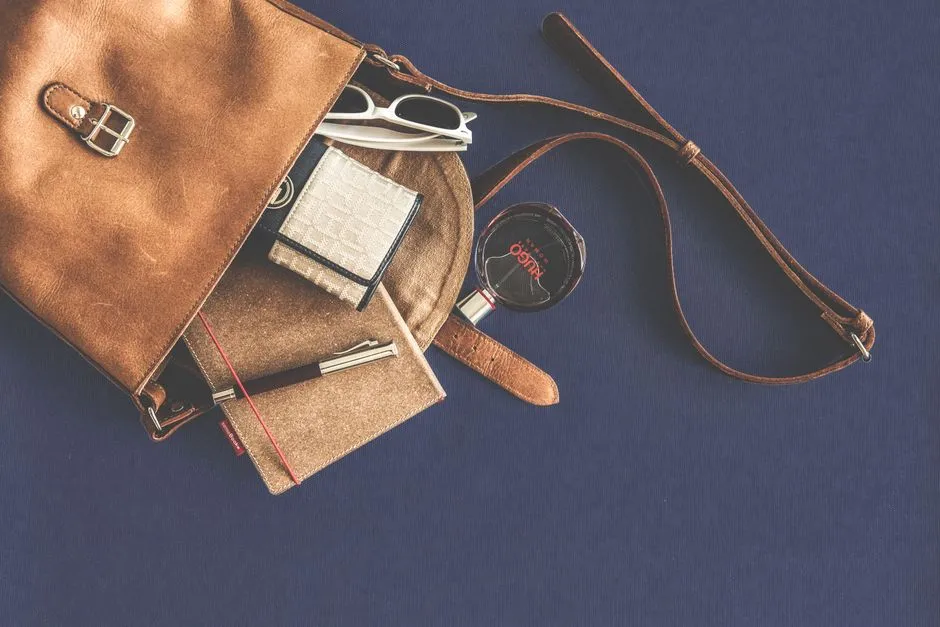
Empty the bag and rebuild it around today
To organize an everyday bag, empty every pocket, remove rubbish and expired items, then sort the remaining contents into access, task, and spill-risk zones. Return only what the coming day requires, using one or two small pouches for loose categories. Finish with a two-minute reset at home so receipts do not quietly establish a paper government.
The systems in everyday packing begin with actual tasks rather than a universal essentials list.
Make five sorting groups
Place everything on a clear surface and sort it into:
- daily access: keys, transit item, wallet, or accessibility tools;
- task-specific: work, study, caregiving, exercise, or appointment materials;
- personal care: items appropriate to your needs;
- contained risk: liquids, food, pens, medicines, or sharp objects;
- remove: duplicates, expired items, rubbish, and objects belonging elsewhere.
Handle medication according to its label and pharmacist guidance. Keep it in appropriate original packaging when required, protect it from unsuitable heat or moisture, and never combine unidentified tablets into a casual bag pocket.
Check the bag before repacking
Inspect seams, straps, closures, lining, and hardware. Follow any stated load limit. A small tear near a strap attachment deserves repair before another heavy day; organization cannot negotiate with failing thread.
Shake out loose dirt only where it can be done safely and check care instructions before cleaning. The canvas tote cleaning guide and bag-care section explain why emptying a bag is not permission to introduce it to the washing machine.
Put weight close and low
Place the heaviest suitable item near the side worn closest to the body and low enough that the bag remains stable. Distribute weight rather than hanging a full bottle from an outer pocket when the construction does not support it.
An everyday bag should feel manageable through the whole planned trip. If carrying it changes posture, causes pain, or strains the closure, remove items or choose a more suitable carrying system and seek professional guidance for persistent symptoms.
Do not place sharp, hot, leaking, or hazardous objects loose inside. Use their intended protective containers and follow applicable transport rules.
Create three access zones
Use the fastest pocket for one or two items needed repeatedly. Put valuables in a secure closure rather than an exposed outer pocket. Place occasional items deeper or inside a pouch.
A workable pattern is:
| Zone | Contents |
|---|---|
| Quick access | One or two frequent, low-risk items |
| Secure | Wallet, keys, identification, private items |
| Main compartment | Task items, protected bottle, pouches |
Avoid stuffing every pocket “just in case.” Empty space makes the bag easier to search and leaves room for something acquired during the day.
Use pouches by function, not by color alone
One pouch might hold charging accessories; another might hold personal-care items. Choose closures that contain the actual contents. A fabric zip pouch is not guaranteed protection from a leaking bottle, and a plastic bag may not suit heat, sharp edges, food, or medication.
Label similar pouches discreetly or distinguish them by texture when that supports accessibility. Keep emergency items reachable according to the user’s medical plan, not buried beneath ordinary supplies for visual tidiness.
Run a two-minute evening reset
At home, remove rubbish, food, damp items, receipts, borrowed objects, and tomorrow’s irrelevant task materials. Refill only known consumables. Check that liquids are closed and that needed devices can charge outside the bag.
Once a week, compare what was carried with what was used. Remove repeated passengers that never earn their fare. Do not convert the result into a minimalist contest; individual work, disability, caregiving, weather, and safety needs can require equipment another person does not carry.
The goal is not the lightest possible bag. It is a bag whose contents have names, homes, and reasons—and whose keys no longer appear only after the front door has begun judging you.